Dipole Antenna Projects and Designs
Construction guides and plans for monoband, multiband, shortened, and vertical dipole antennas.

The dipole antenna is a fundamental building block for many ham radio stations, known for its simplicity and reliable performance across HF and VHF bands. Operators often choose dipoles for their ease of construction and adaptability, making them popular for both permanent installations and portable operations. Many hams start their antenna projects with a basic dipole, learning about impedance, SWR, and propagation in a practical way.
This category offers numerous designs for building and optimizing dipole antennas. You will find detailed guides for multiband dipoles, like the N3UJJ project, which eliminate the need for an antenna tuner, and shortened designs such as the W5VMs Shorty 40 for limited spaces. There are also resources covering specific construction techniques, including trap dipoles for WARC bands and innovative feeding methods like LA6PB's split dipole, helping hams achieve effective QSOs on their preferred frequencies.
Related Categories
-
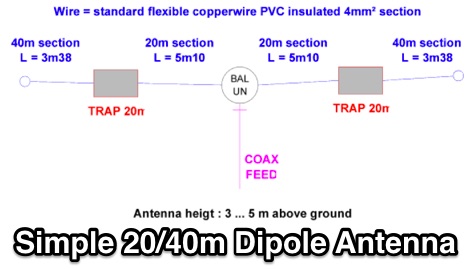 A simple TRAP-dipole project for 20 and 40m bands includes EZNec simulations
 -
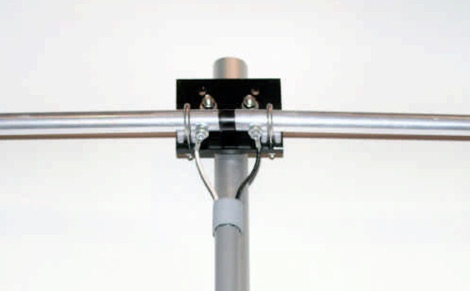 Design and build an 6 m dipole antenna from aluminum, tubing, that resembles the active element of a yagi beam antenna.
 -
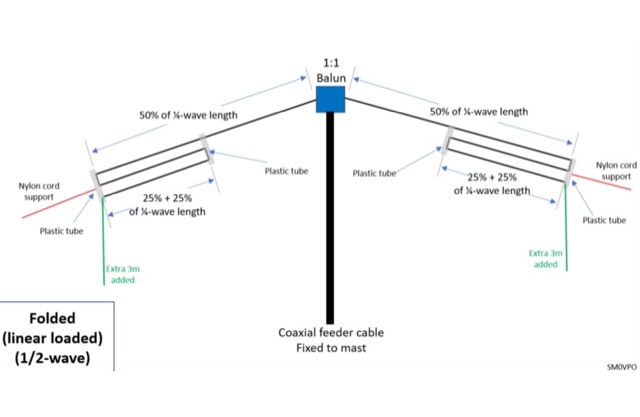 Experiments on HF antennas for restricted spaces. In this article author experiments antennas for 80-10 meters band having just a very small garden and several restrictions. Basic antennas consists of laded multiband dipoles and fan dipole antennas
 -
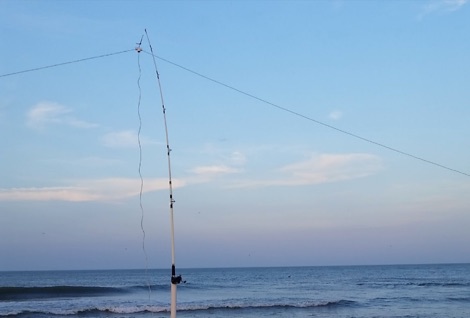 A portable wire antenna for the HF bands, made with a common speaker wire. In its natural form, the speaker wire acts as parallel feed line coming up to the bottom of the PVC feed point. From there, it's split into two wires, one heading out each side of the PVC tee.
 -
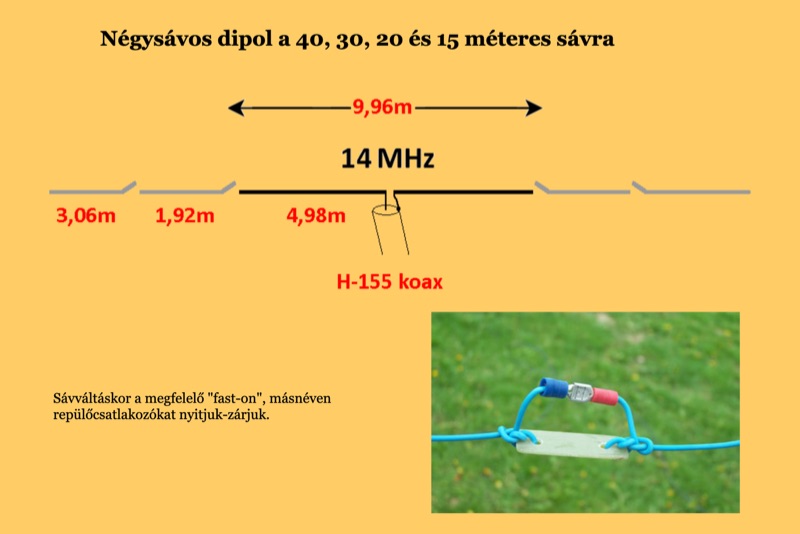 Details a portable four-band dipole antenna design for 40, 30, 20, and 15 meters, featuring a manual switching mechanism using fast-on connectors.
 -
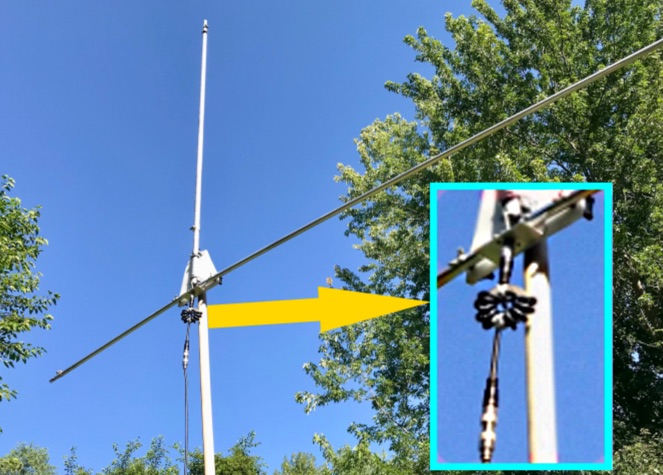 A detailed guide to constructing a two-band Tri-pole antenna, covering principles, tuning, gain, and radiation patterns. Includes instructions for
 -
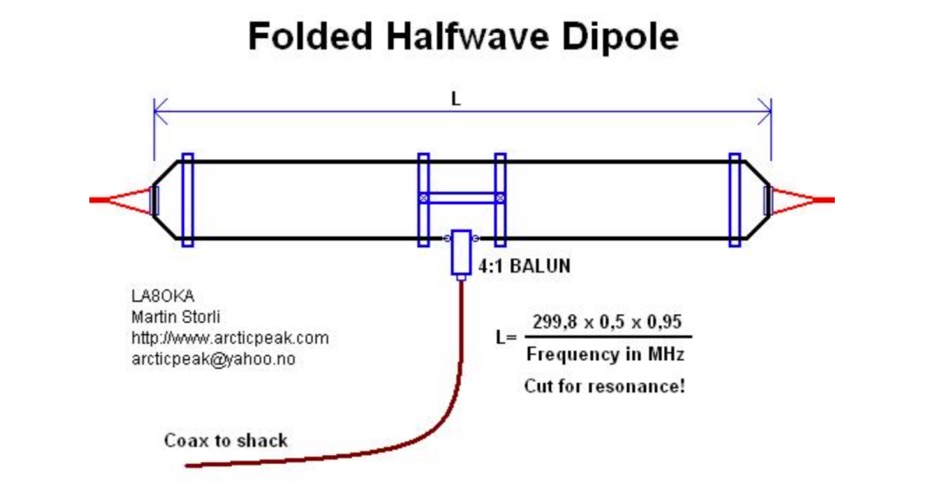 The Folded Dipole is not used much amongst Radio amateurs, probably due to the fact that this antenna uses twice as much wire as a single-wire dipole.
 -
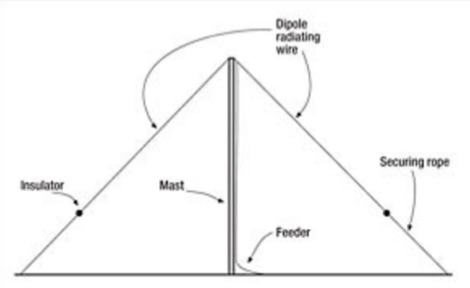 Construction tips of a basic wire antenna, the half wave dipole. Inverted V dipoles and effects of inverted v on radiation pattern.
 -
 There are several ways to reduce the length of a dipole and still use it as an effective antenna. Remember it is the electrical length that determines resonance. The physical length can be considerably less than a half wave length on your desired frequency as determined by 468/f MHz.
 -
 A very popular method of making a short dipoles resonate at a given frequency. This type of antenna is suitable for single band, narrow bandwidth use.
 -
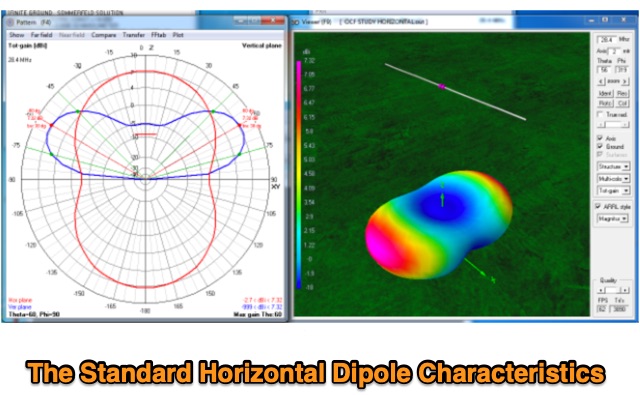 Discussion about the Standard Horizontal, Center-fed dipole and effects of elevation of the antenna on antenna radiation pattern.
 -
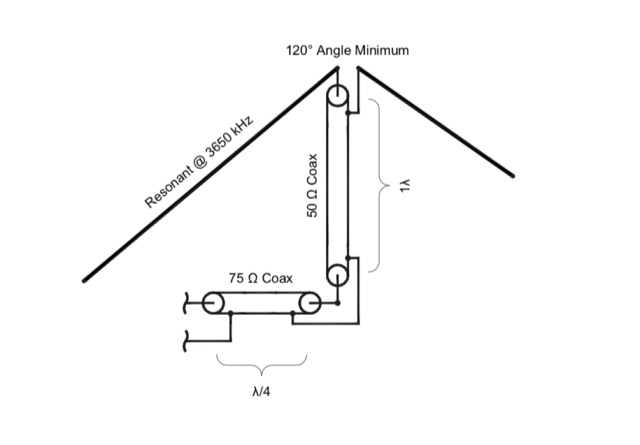 A dipole can be broadbanded by a number of techniques including by matching with resonant sections of transmission feed lines.
 -
 A 67 feet long dipole doublet antenna
 -
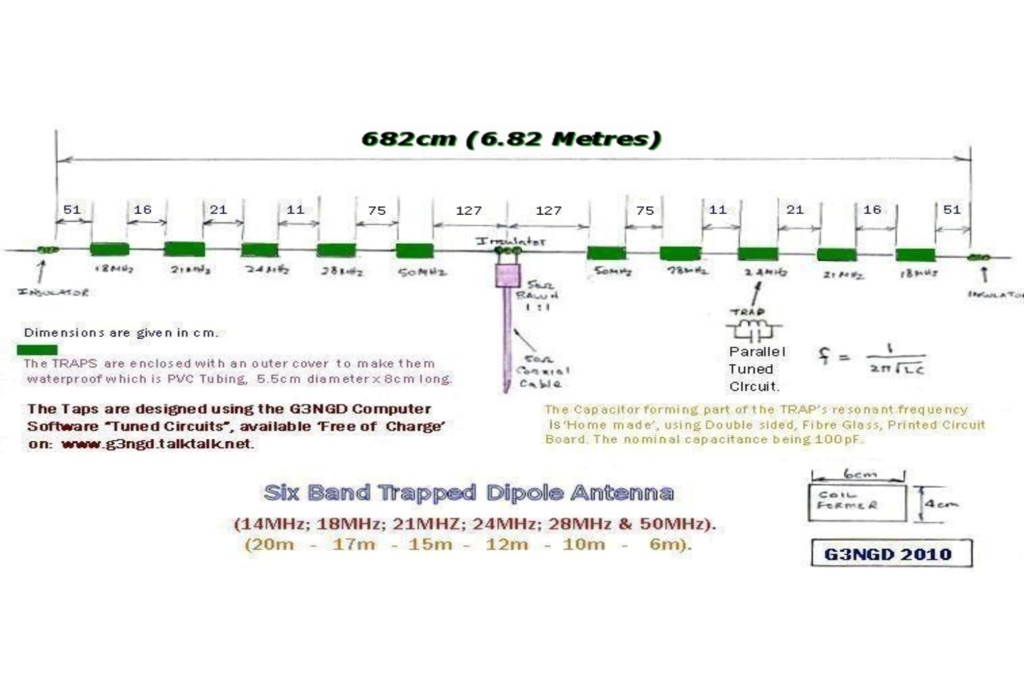 This article details the author's process of designing and building a trap dipole antenna for the 17, 12, and 6-meter amateur radio bands using a Yaesu FT-450 transceiver. The antenna incorporates parallel-tuned circuit traps to enable operation across multiple bands without switching aerials. Key construction details, including coil and capacitor specifications, are discussed, along with the testing results, which include successful long-distance communications on the 50 MHz band. The article highlights the flexibility of home-built antennas and provides insights for amateur radio enthusiasts looking to optimize multi-band performance.
 -
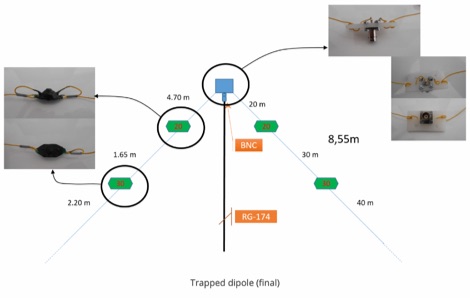 An 20 30 40 meters trapped dipole antenna plan for sota and portable operations.
 -
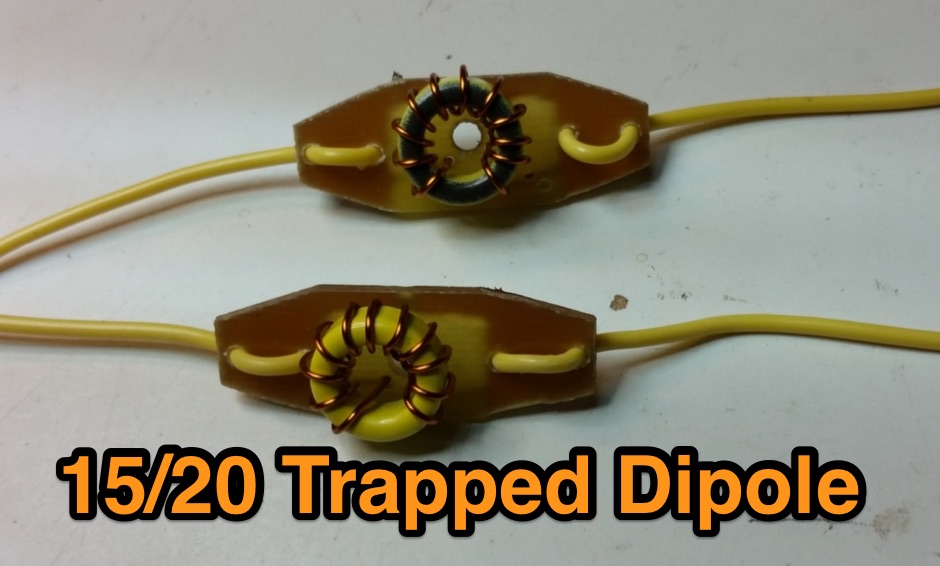 An easy to build dipole for 21 and 14 MHz with traps made by two T50-6 toroids cores mounted on a simple PCB foil
 -
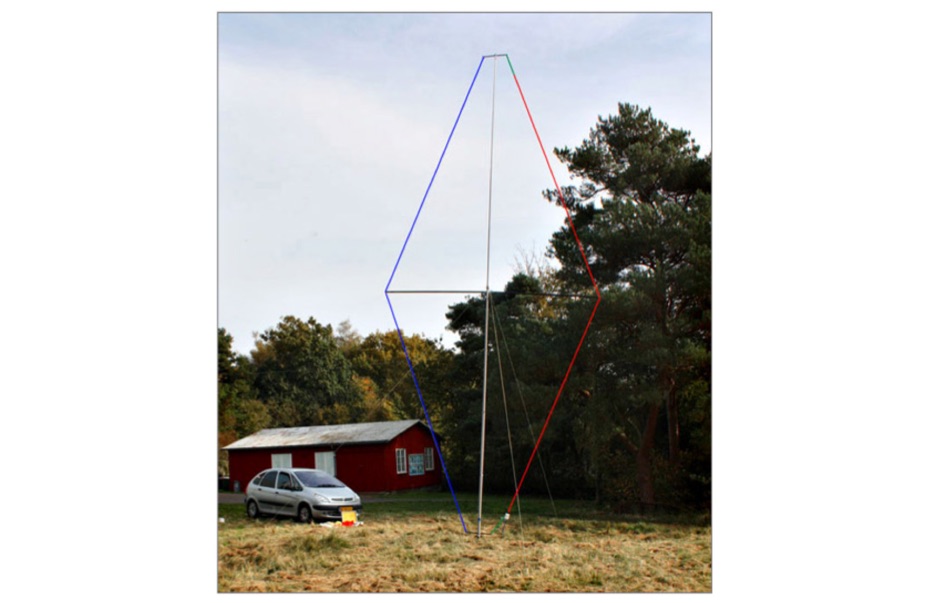 A simple and awesome wire monoband antenna, very usefull for portable and dxpeditions usage, consist of two elements, a driver and the reflector. This endfed halfwave gives a very low take off angle and is very suited for chasing DX.
 -
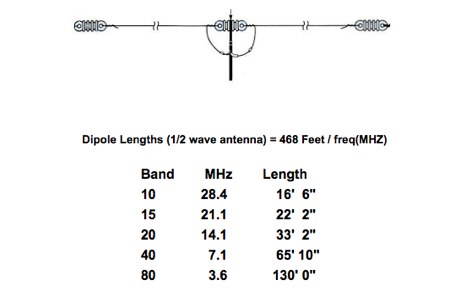 Basic dipole antennas by KN9B
 -
 RSGB article for beginners. How to build a dipole antenna, construction tips and correct setup of inverted-ve dipole antennas
 -
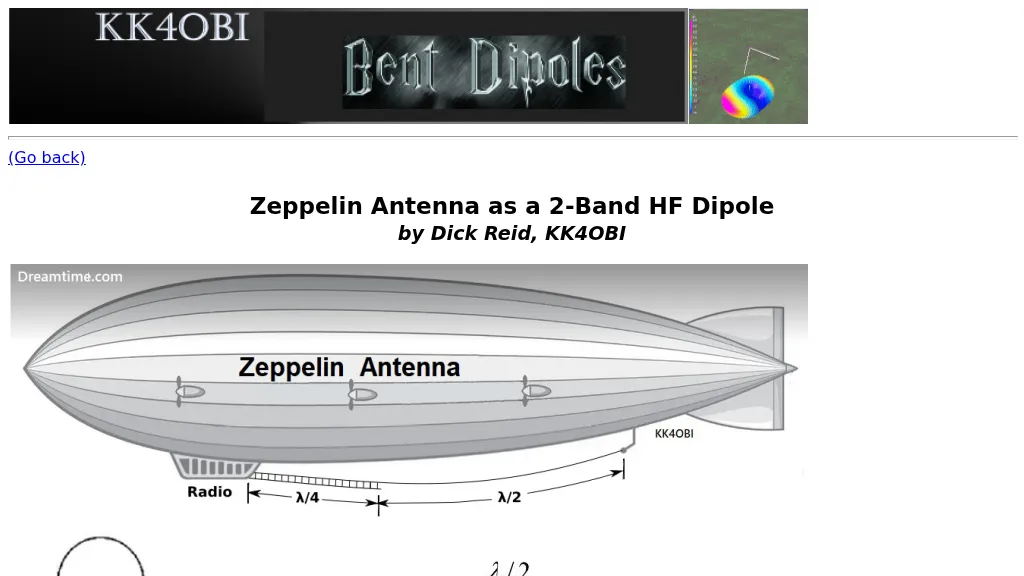 A detailed construction guide for a 2-band HF Zeppelin antenna, tunable for harmonic operation on bands like 10m and 20m, with a shorter physical length