HexBeam Antenna Projects and Technical Information
Find resources for building, understanding, and installing HexBeam antennas for various amateur radio bands.

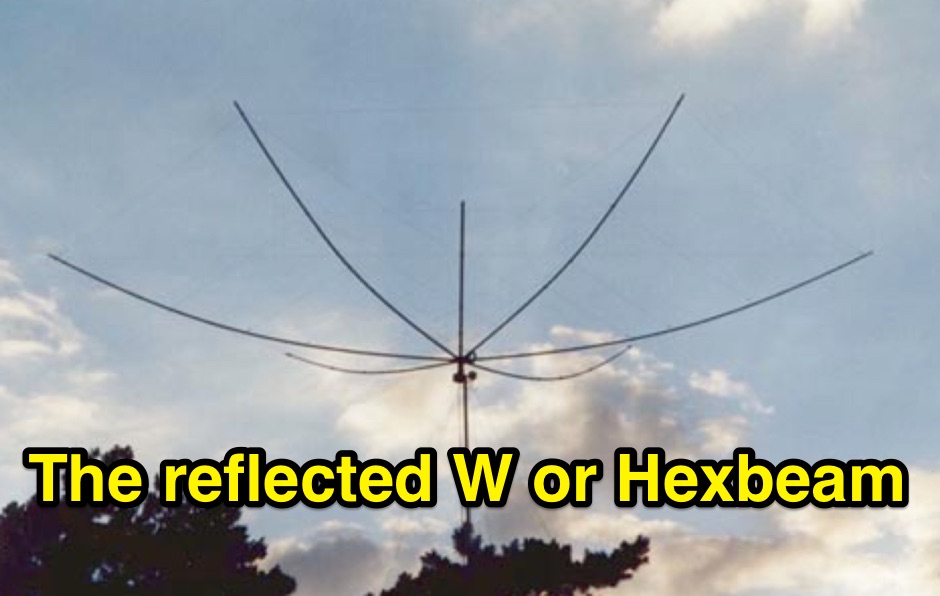
The HexBeam is a popular wire beam antenna known for its compact size, wide bandwidth, and good performance on multiple HF bands. Many hams choose the HexBeam for its relatively light weight and smaller turning radius compared to traditional Yagis, making it suitable for smaller lots or portable operations. Its unique design, often described as an "upside-down umbrella," allows operators to work DX and participate in contests effectively without needing a massive tower or large footprint.
Operators interested in building or understanding HexBeams can find extensive resources here, including historical overviews of its development by innovators like Mike Traffie, N1HXA. The category also features numerous homebrew projects, with detailed build guides and dimensions for versions like the G3TXQ broadband HexBeam, often including EZNEC files for antenna modeling. You can also find practical installation tips and discussions on specific designs, such as HexBeams optimized for 6 meters or even VHF/UHF bands.
Related Categories
-
 The original HEXBEAM was developed by Mike Traffic, N1HXA, in the early nineties. It is true that an M over W configured yagi antenna that resembled a butterfly was earlier tried successfully. But the advanced electrical design, the characteristic nesting concept and central terminal post that enable the multi band functionality along with the basic hardware design were all developed by Mike Traffie.
 -
 An easy to build Hexbeam antenna built with bamboo sticks for the six meters band
 -
 The Upside-Down Umbrella Antenna by Don Keith N4KC
 -
 Performance data of the KIO Hexagonal Beam antenna
 -
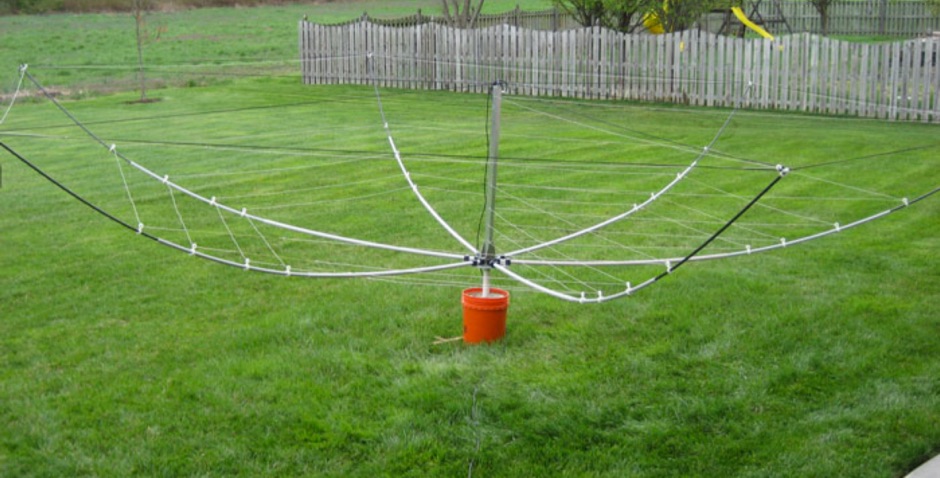 This version of the broadband hexbeam is based on the work of Hunt G3TXQ, HB9MCZ, and Shoemaker K4KIO. EZNEC model is based on a wider element spacing than the version published in QST by K4KIO
 -
 WY3A Homebrew G3TXQ Hex Beam for 5 bands
 -
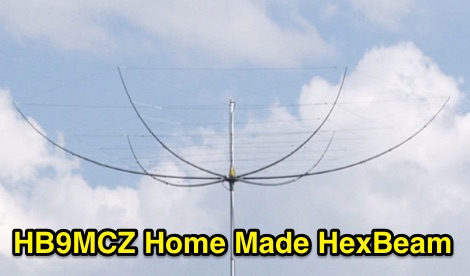 A project for a homemade multiband Hexbeam antenna for 10, 12, 15, 17 and 20 meters
 -
 This is a hex beam designed for six meters. It has three elements with a turning radius of 54 inches. This antenna can be built from low cost materials available from the local hardware store. By WB3BEL
 -
 Discuss here about hex-beam antennas
 -
 A rotating HexBeam antenna video from F5NZY in Paris France
 -
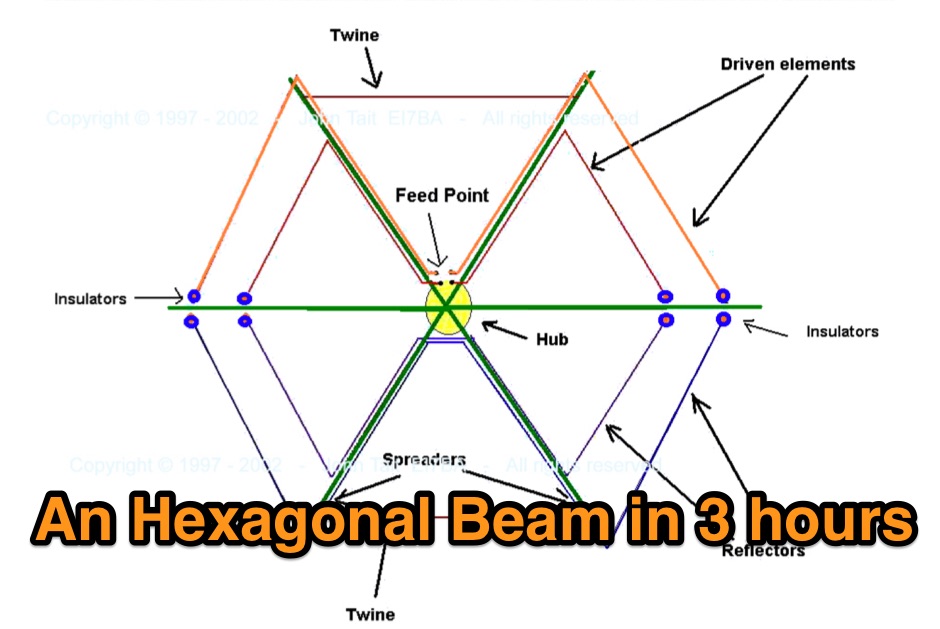 How to build an Hexagonal antenna in 3 hours
 -
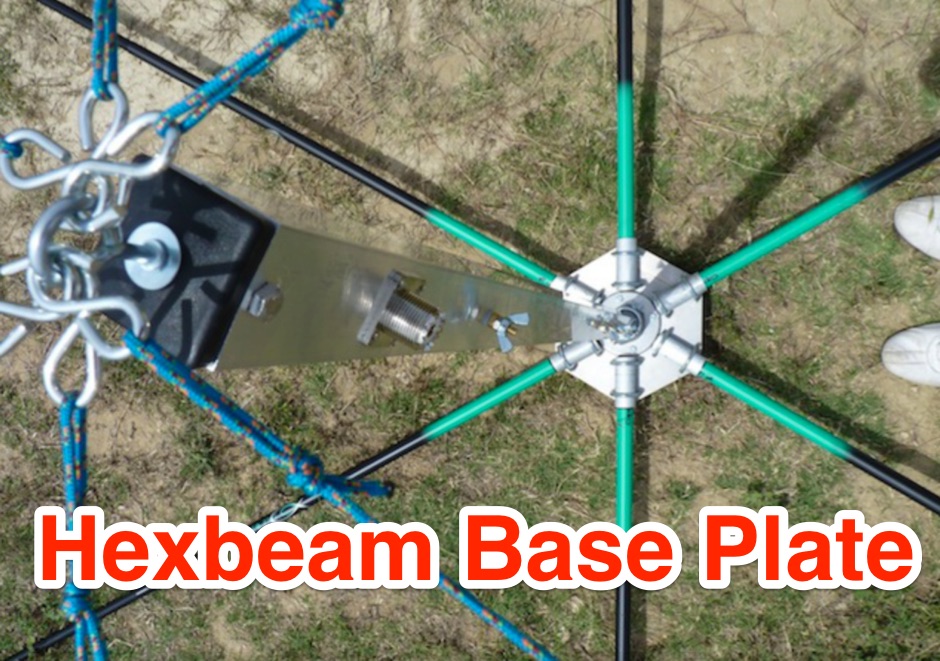 An homemade base plate for the hexbeam antenna
 -
 Hombrewinf the hex beam antenna by W6OT
 -
 Hexagonal Wire Beams for 40-10m from DL7IO, different mono/multiband designs with building descriptions and model files for EZNEC
 -
 Hexagonal wire beams for all hf bands, technical resource, EZNEC files, tools for antenna modeling and documentation. You can also order parts to build your own antenna.
 -
 How to homebrew an hex beam antenna for 20 17 15 12 10 meters band by VA7ST
 -
 G3TXQ pages focuses on understanding the HexBeam antennas. Basics, dimensions, multi band issues, antenna modeling.
 -
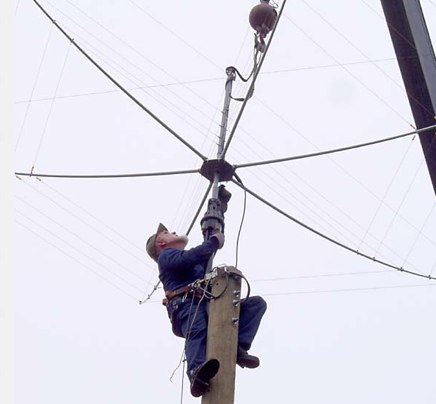 HX-B5i five band HexBeam installation
 -
 X-Beam antenna by K0EMT for 50 Mhz and VHF UHF bands
 -
 Hexbeam antenna project for 20, 15 and 10 mtrs
 -
 Exagonal Beam antenna cover 20-17-15-10 meters By KE4NU
 -
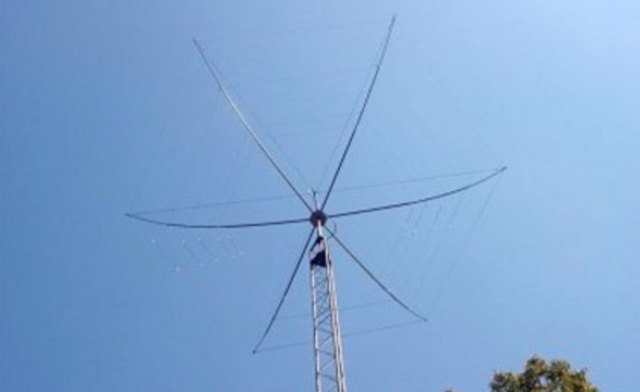 A Practical, 5-Band Homebrew Wire Beam the Upside-Down Umbrella
 -
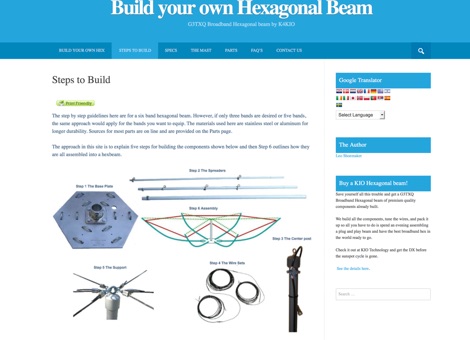 A web site dedicated to hex beam homebrewing. The hexagonal beam has become a wildly popular antenna. It is a directional antenna that provides great performance and does not require a full scale, expensive tower.
 -
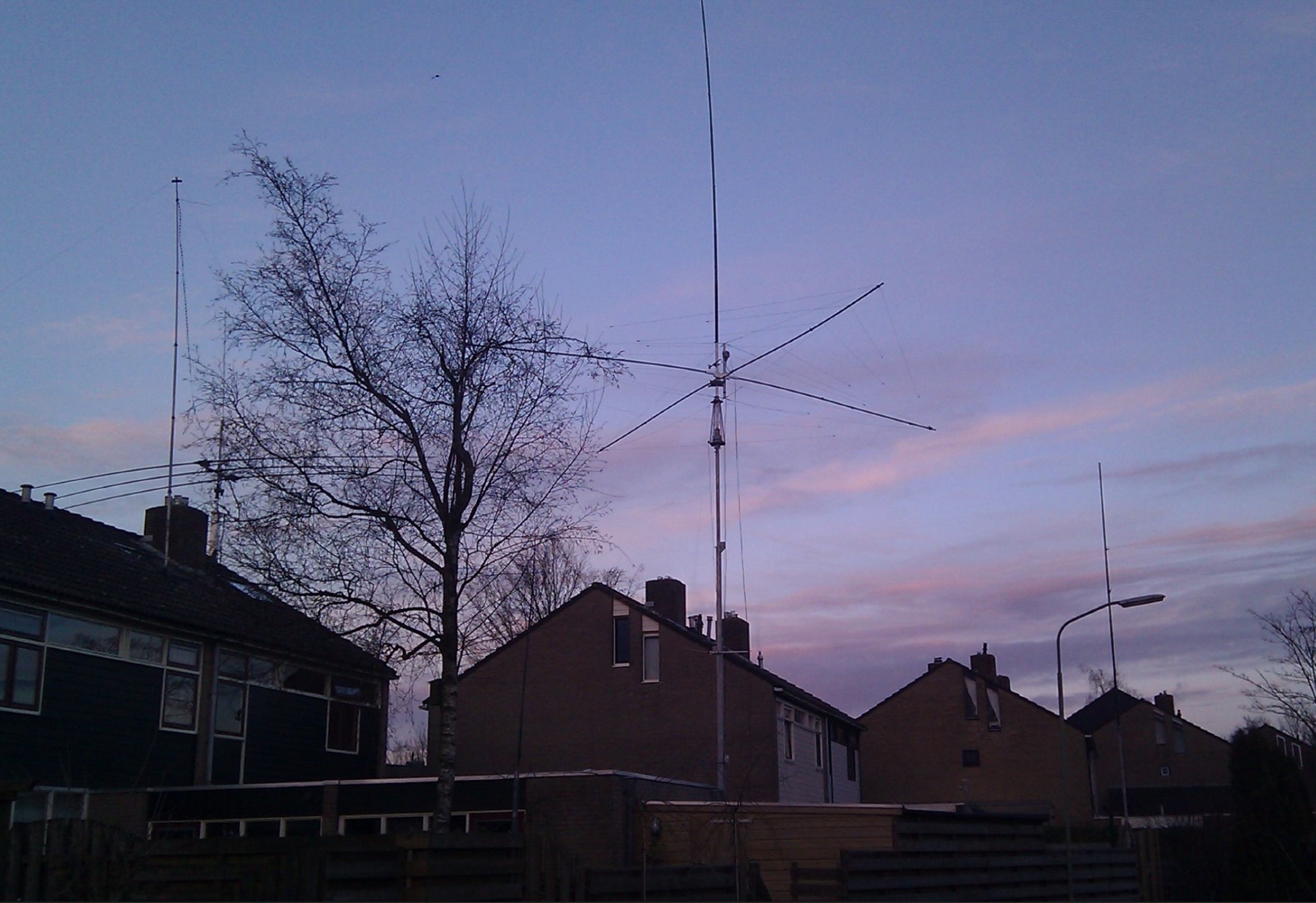 A custom center hub for a Spiderbeam yagi antenna, enabling side-mounting on an existing mast. Challenges included structural instability, limited reach for assembly, and interference with a pre-mounted Spiderpole. A new hub using 40x40mm aluminum tubing provided strength, allowed side assembly, and supported fiberglass pole guy lines. The solution facilitated efficient installation and removal, delivering excellent performance compared to a SteppIR yagi.
 -
 Rob Conklin N4WGY delivered an informative presentation on Hexagonal Beam antennas (Hex Beams), detailing their construction, performance, and benefits over traditional multiband Yagi antennas. He highlighted their cost-effectiveness, lower wind loading, lightweight design, and multi-band capabilities without requiring traps. Conklin also discussed the improved G3TXQ design, which offers better SWR performance across ham bands. The presentation included practical construction tips, resource recommendations, and demonstrations of performance analysis tools, making it a valuable resource for both novice and experienced antenna builders.
 -
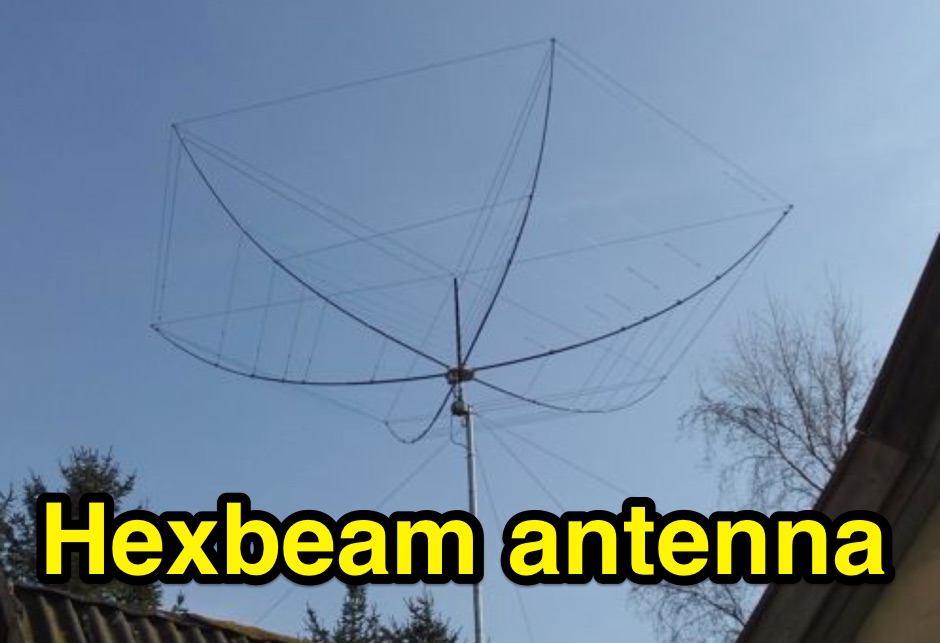 An HexBeam antenna project, a 2 full elements on six bands
 -
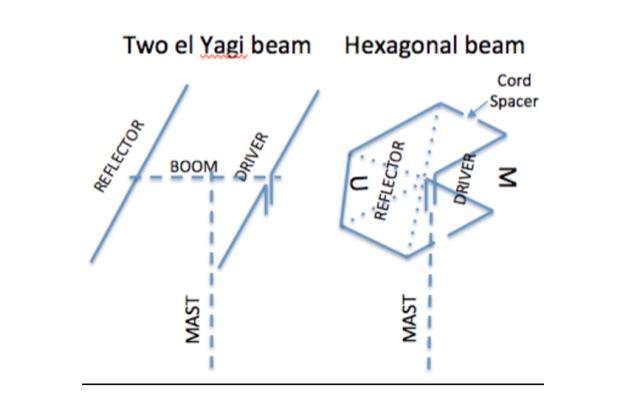 A hexagonal beam is a form of the Yagi antenna which is based on parasitic principles developed early in the last century in Japan for achieving gain in one direction.How HexBeam antennas works. A hexagonal beam operates exactly like Yagi antenna, but instead of a driven element that is straight like a dipole, it is a wire bent into the shape of the letter M.
 -
 In these slides, differences between spiderbeam antenna and hexbeam antennas are explained comparing performances and measurements.
 -
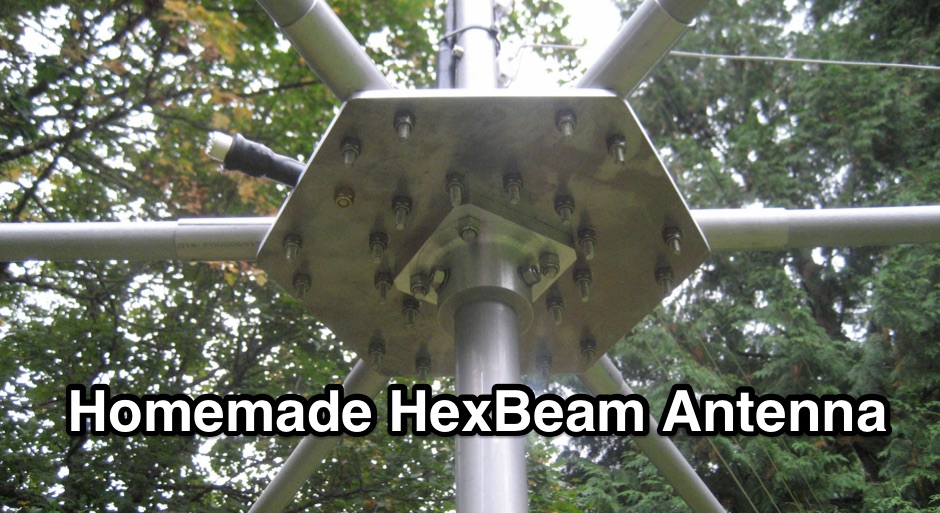 A long picture gallery of a homebrew hexbeam antenna project
 -
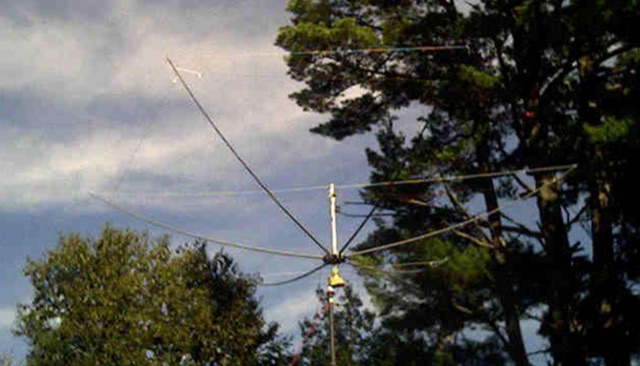 The Hex Beam page by W1GQL page, a document dedicated to home brewing hex beam antenna with dimensions, info on spreaders, wires to use, spacing tips, feed line information, mast to use, multi-band version and antenna height
 -
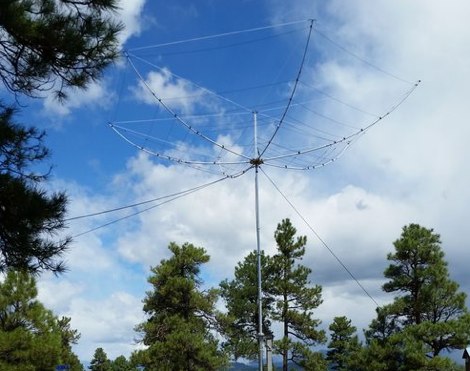 WD0M installation of the Hex Beam by SP7IDX
 -
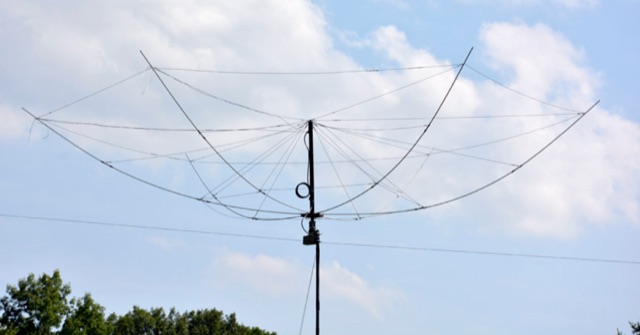 With an eye to the final cost I have built a good 20 meter monoband Hex Beam antenna.
 -
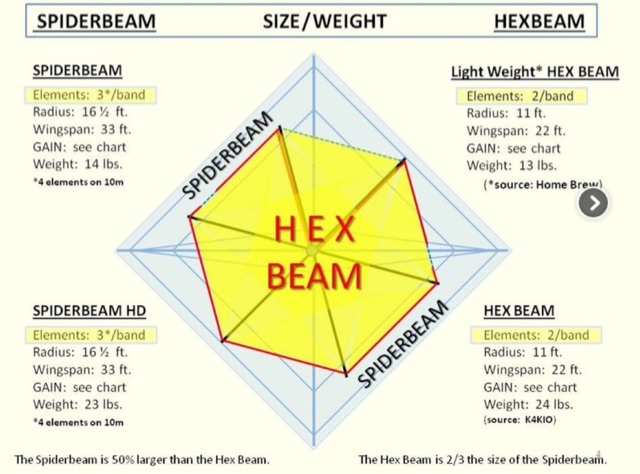 Differences of Hex Beam and Spiderbeam antennas designs, performance and measurements, rotor considerations when using this two kind of antennas
 -
 Building the Three-Element Hex Beam. A project and construction phase of an HF hex-Beam antenna using trees to hang the antenna and a Channel Master antenna rotator.
 -
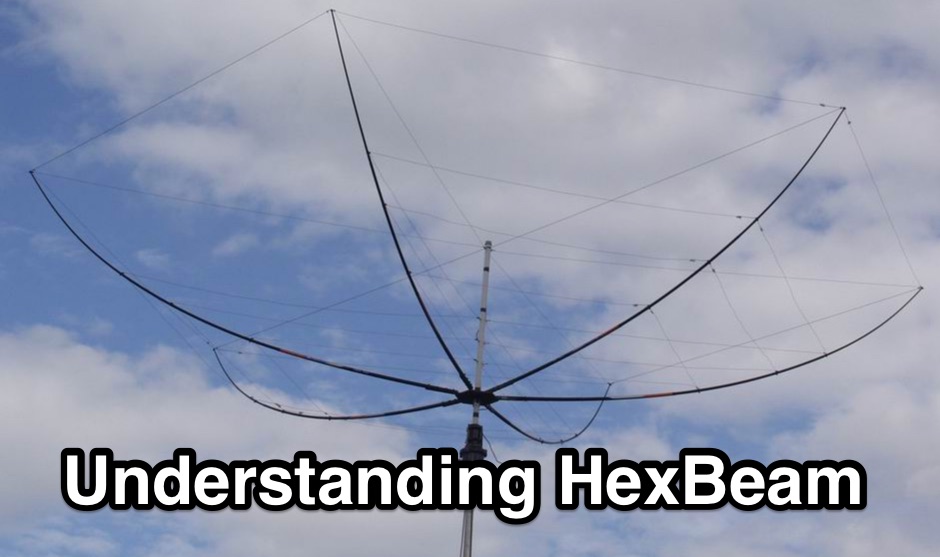 The Hexbeam is a great little antenna! It should be high on your list of options if you want a design that can be multi-banded, exhibits useful gain and directivity, is very lightweight, has a small turning radius, and which lends itself readily to Do It Yourself construction.