Software for Decoding Digital and Analog Radio Signals
Find software tools for ham radio operators to decode various digital and analog signals, including Morse code, DTMF, paging, and voice inversion.

Decoders are essential software tools that allow amateur radio operators to interpret the many digital and analog signals found across the bands. From Morse code to complex digital voice modes, these programs turn raw audio into readable text or data, opening up new opportunities for monitoring and experimentation. Hams use decoders to analyze signals from utility stations, aircraft, and other amateur radio activity, enhancing their understanding of propagation and spectrum use.
Operators can find software for decoding common amateur radio modes like CW, with tools such as CW_Shark providing analysis and practice. There are also decoders for paging signals like FLEX and POCSAG, often used for monitoring public service communications with programs like PDW Paging Decoder. For those interested in digital voice, open-source projects like Digital Speech Decoder (DSD) can interpret xMBE-based modes such as MotoTRBO and P25. Additionally, simple DTMF decoders are available for identifying touch tones from repeaters or other sources.
Related Categories
-
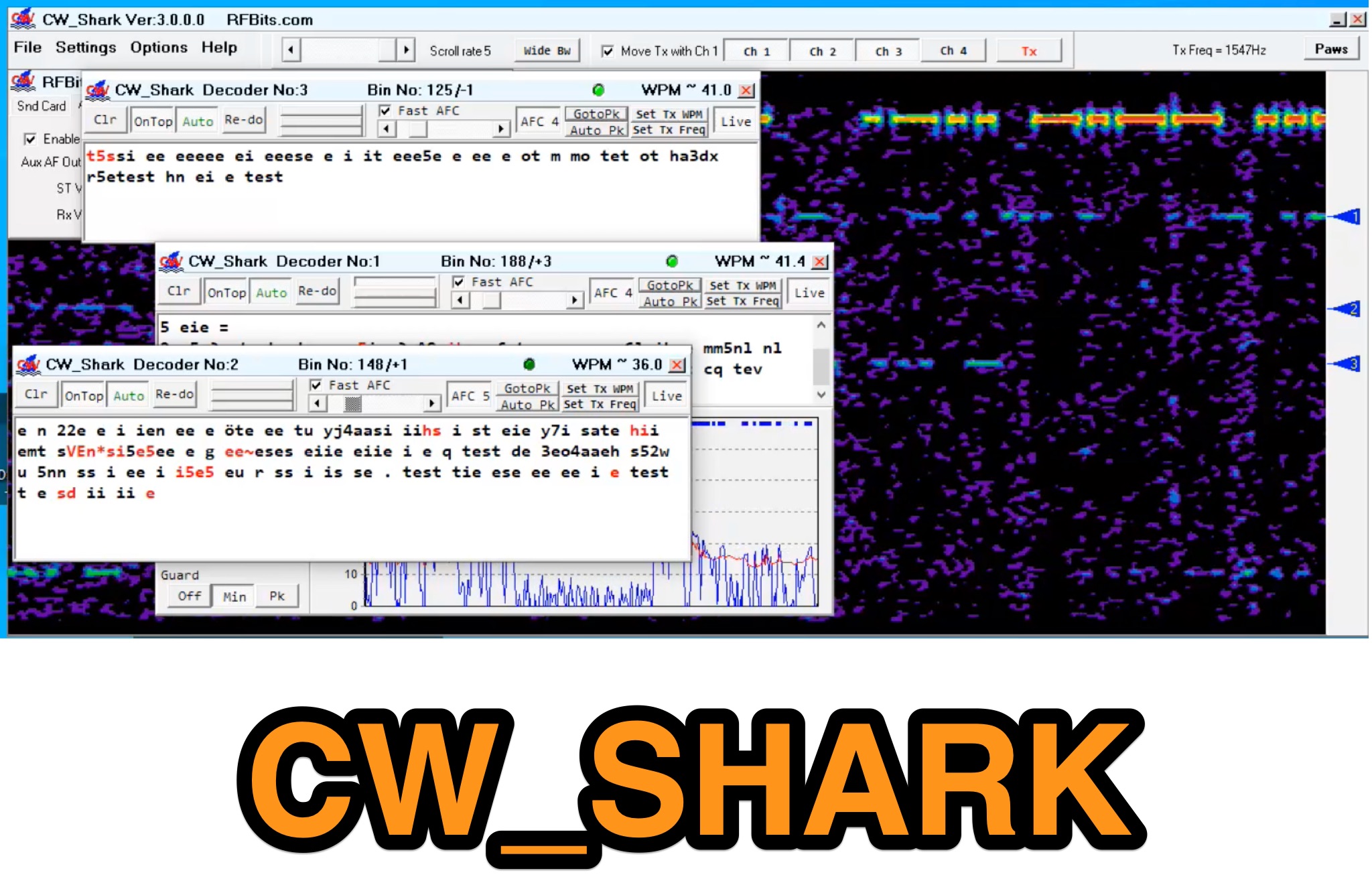 CW_Shark is a 32-bit Windows program for analyzing, decoding, and encoding Morse code, featuring four operational modes for CW enthusiasts.
 -
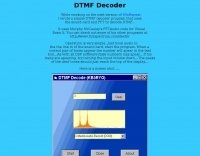 DTMF decoder program that uses the sound card and FFT to decode DTMF by KB5RYO
 -
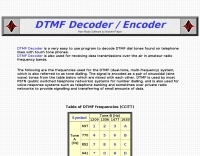 A very easy to use program to decode DTMF dial tones found on telephone lines with touch tone phones. The DTMF Decoder is also used for receiving data transmissions over the air in amateur radio frequency bands.
 -
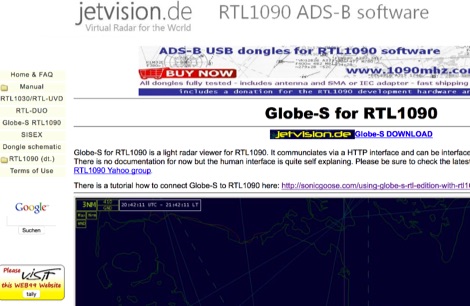 Globe-S for RTL1090 is a light radar viewer for RTL1090. It communciates via a HTTP interface and can be interfaced over long distances.
 -
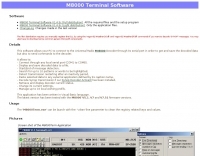 This software allows your PC to connect to the Universal Radio M-8000 Decoder through its serial port in order to get and save the decoded data but also to send commands to the decoder.
 -
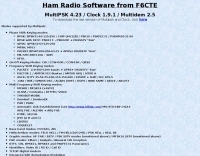 USB LSB AM Modem (Modulator/Demodulator) for SdR and DSB (direct conversion) transceivers by F6CTE
 -
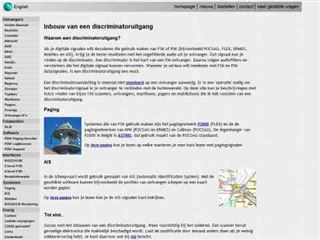 This free windows software allows you to decode digital signals like FLEX, POCSAG, ERMES, MOBITEX and ACARS.
 -
 WinTone v2.02 is a windows DTMF Decoder, run on old windows versions only.
 -
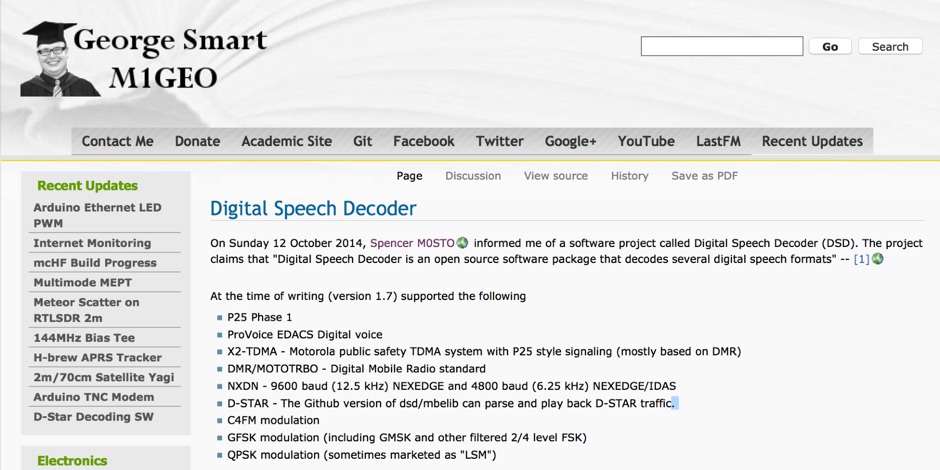 MUlti mode digital signal decoder software capable or C4FM D-Star decoding, a guide to compile and install DSD
 -
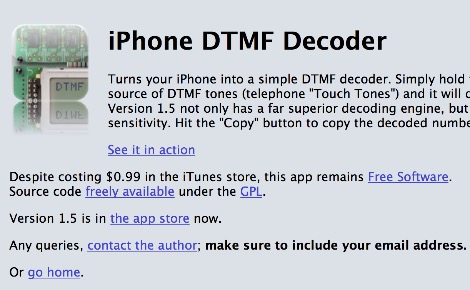 Decode DTMF from your iPhone. Hold your smartphone close to a DTMF source and this app will decode the numbers being dialled.
 -
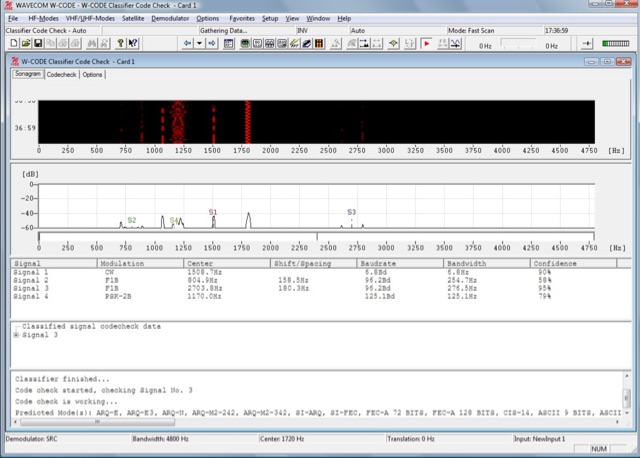 W-CODE is a professional digital mode decoder system capable to decode many digital signals on HF, VHF/UHF, SHF and SATELLITE bands.