Antenna Theory: Principles of Radio Wave Propagation
Understand fundamental antenna concepts, radiation patterns, impedance matching, and transmission line behavior for effective radio communication.

Understanding antenna theory is fundamental for every ham radio operator, whether building a simple dipole or designing complex arrays for DX. It covers the principles of how antennas radiate and receive radio waves, how they interact with the surrounding environment, and how feedlines transfer RF energy. A solid grasp of these concepts helps hams optimize their stations for better signal reports and more reliable QSOs across all bands.
This category provides essential insights into antenna behavior, from basic concepts for beginners to advanced topics for experienced builders. Operators can learn about radiation patterns, the impact of current distribution on array performance, and the physics behind ground systems for vertical antennas. Resources also cover practical aspects like optimizing inductors for loading coils and using tools such as the Smith Chart to analyze transmission lines and impedance matching.
Subcategories
- Antenna Gain (18)
- Impedance matching (22)
- Wind Load (2)
-
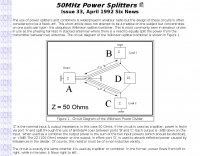 Splitting an antenna between two receivers or in use as the phasing harness in stacked antennas where there is a need to equally split the power from the transmitter between two antennas
 -
 The Smith Chart was originally created many years ago as an RF engineering aid by Phillip Smith of RCA.These pages includes extesnive documentation on smith carts.
 -
 Thermocouple ammeters are very rare these days, but the job they were perfect for - measuring antenna currents - is still a modern requirement especially in respect to groundplane currents. By David A. Reid PA3HBB G0BZF
 -
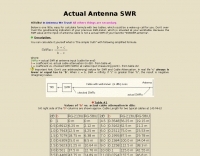 Easy for calculate formula which could be a wake-up call for you. The SWR value at the input of antenna cable is not a actual SWR of your favorite antenna.
 -
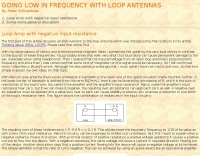 Article on using loop antenna in very low frequencies
 -
 Perfect ground vs. poor ground. What is the difference? How does the ground influence the DX-gain?
 -
 Radials & Counterpoise
 -
 Basics by From Ian C. Purdie, VK2TIP
 -
 Article designed to answer basic questions about antennas
 -
 Calculate Cable Loss from SWR and reverse. Text file with only two simply formulas
 -
 Single antenna with multiple polarization for diversity, diveristy receivers and propagation effects on signal polarization
 -
 Adalet wireless document on antenna basics in a four pages pdf file
 -
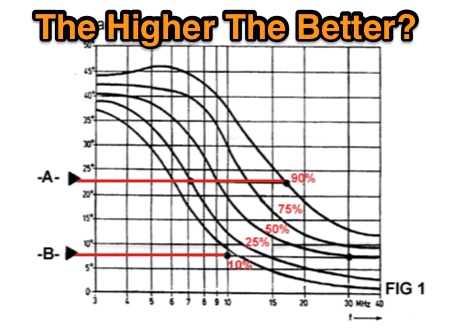 Antenna mounting height, the higher the better? Learn how radiation pattern change, and decide if you need an higher or a lower angle for your dx needs.
 -
 The electrical characteristics of an antenna that are of interest to obtain by direct measurement are the frequency at which the antenna is tuned, the gain and radiation pattern
 -
 About antenna or aerial resonance and bandwidth and the impact of RF antenna resonance and bandwidth on radio communications systems.
 -
 A discussion of antenna theory by Paul Graham, K9ERG , one of the better antenna explainations out there
 -
 Some rules of thumb for beginners, with a QRP approach, by James R. Duffey KK6MC/5
 -
 A source of knowledge for learning about and understanding antennas. The goal is to present a comprehensive tutorial on antennas.
 -
 Thierry LOMBRY, ON4SKY, develops in several long articles all you need to know about antennas, their design and performance, for both amateurs and SWL
 -
 Suggestions on finding RF ground when you live in an apartment and you want to setup an antenna
 -
 Antennas, Transmission Lines, Tuners - Myths, Mysteries and Qualifiers By Don Wilhelm W3FPR
 -
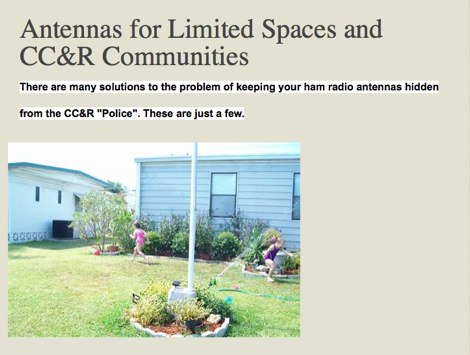 In this article you can find solutions to the problem of keeping your ham radio antennas hidden from the CCR Police
 -
 Yagi Antennas, Antenna Materials and more.
 -
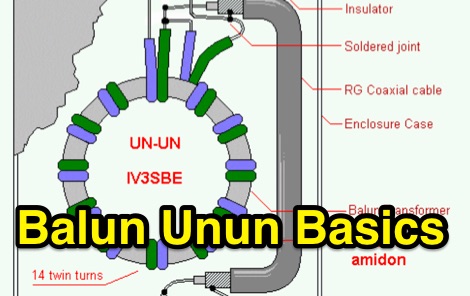 The word balun means balanced-unbalanced: it's used to adapt a balanced device to an unbalanced one, read more basic thory on Ununs and Baluns
 -
 The current, the voltage, the impedance, the bandwidth, the polarization, and how the earth influences the famous radiation pattern.
 -
 Various publications through the years have shown how the SWR measured on a shorted (or open) feed line can be used to calculate feed line attenuation
 -
 Measurements that show it doesn't make much difference
 -
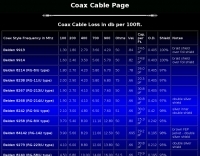 Table representing loss of Coax Cables in db per 100ft.
 -
 G3TXQ study on coaxial cable demonstrate that it can reduce an element's length by something approaching the Velocity Factor of the cable
 -
 Understanding Common Mode and Differential Mode Currents on Transmission Lines by K9YC
 -
 Receiving Common Mode Noise shows how lack of a balun can contribute to system noise
 -
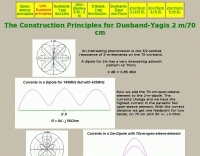 The Construction Principles for Duoband-Yagis 2m/70cm by DK7ZB
 -
 The Crossed Field Antenna (CFA) is one of the applications of Correction of Maxwell's Equations which was used over 150 years ago which was proved these days that the Magnetic Field Source is only the Displacement Current not the Conduction Current . These Corrections was made by an Egyptian Doctor Engineer Fathi Kabbary , who reached the New Correct Theory which shows that the height and efficiency of the antenna doesn't depend on the wavelength
 -
 Let's explore the cubical quad antenna, or quad, and see what it really is and how it really works by w8ji
 -
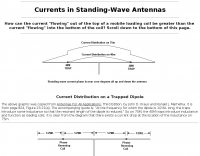 How can the current "flowing" out of the top of a mobile loading coil be greater than the current "flowing" into the bottom of the coil?
 -
 The design and feeding of driven elements for VHF/UHF Yagi antennas , modeling, observations and some case studies by Graham Daubney F/G8MBI
 -
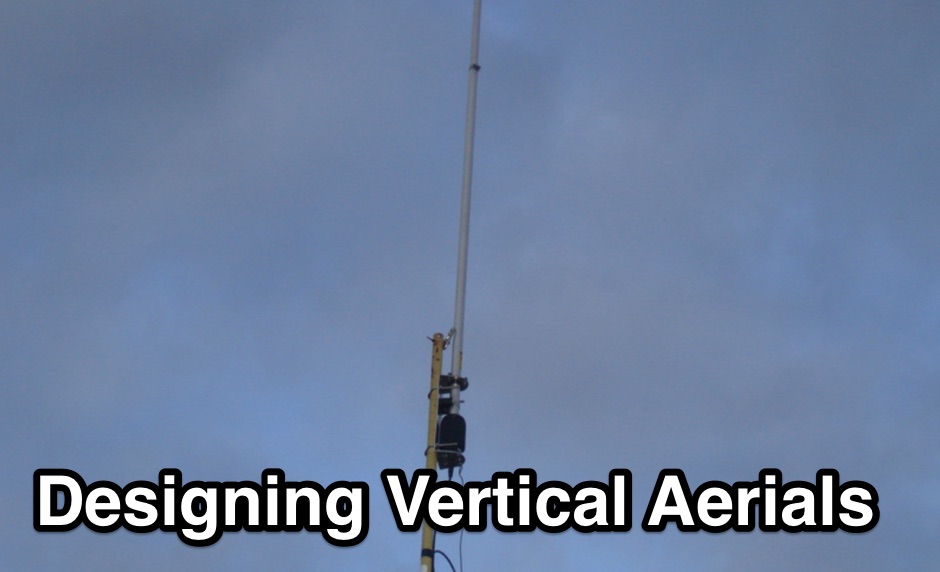 If you want to design vertical antennas you can find all theory and formulas used to model a vertical aerial calculating capacitance, reactance, building the inductor and calculating resistances. Includes an excel spreadsheet to calculate efficiency.
 -
 How High should my Dipole be? Dipole Antennas and the effect of height above ground. The effectiveness of a dipole antenna is influenced by its height above ground, determined by the intended use such as DX work, local communication, directionality, omni-directionality, and feed point impedance. Through EZNEC modeling, the study evaluates a 40-meter dipole's performance at various heights, from 7 to 560 feet. Findings reveal that lower heights enhance omni-directional local communication, while higher placements favor DX work with low-angle radiation. The study emphasizes the importance of defining operational goals to optimize dipole height and performance.
 -
 About collinear array antennas
 -
 Explores the necessity of an antenna tuner, detailing its function in matching antenna systems to transceivers and reducing SWR for optimal power transfer.
 -
 Which is better a 20m antenna for an island DXpedition: Yagi at 25', or a vertical or two on the beach?
 -
 A theoretical and experimental study of the effects of very large ground screens on 20 meter verticals
 -
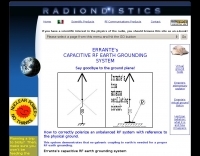 This system demonstrates that no galvanic coupling to earth is needed for a proper RF earth grounding
 -
 EZNEC Simulation files collection by DF9CY
 -
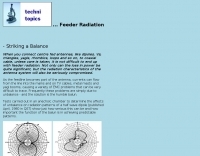 Connecting centre fed antennas, dipoles, yagis, rhombics, loops to coaxial cable, unless care is taken, it is not difficult to end up with feeder radiation resulting in power loss and the radiation characteristics changes
 -
 A lot of good informations concerning antennas, filters, moonbounce, and circuitry data.
 -
 Guide to ground mounting antennas, notes on efficiency, elevated installations, metal towers and masts, other mounting schemas, moble homes and rv, lightning protections, artiche by Bencher
 -
 Perhaps one of the most over looked aspects of setting up a listening post is a ground system
 -
 Mounting on Roof or at Ground Level? Why ground plane antenna works better at lower level.
 -
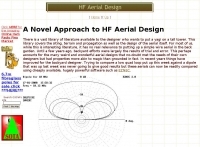 A novel approach to aerial evaluation with diagrams and graphs by G3CWI
 -
 Here are 10 tips and truisms that every ham should know about antennas, by W20QI
 -
 A collection of homebrew antenna designs by WE6W, including a 160m QRP loop, various double bazooka configurations, and a Sterba Curtain.
 -
 Antennas are influenced by the effect of the ground and by the type of conductors from which they are constructed. Effects of various types of grounds on a 1.825 MHz horizontal 0.5 wave dipole
 -
 The video delves into the fascinating science behind antennas, which are crucial for receiving and transmitting electromagnetic waves. It explains how antennas convert electric signals into electromagnetic waves for transmission, and how they operate through the oscillation of positive and negative charges in dipole arrangements. Practical antenna implementations, such as dipole antennas for TV reception and Yagi-Uda antennas with reflectors and directors, are also discussed alongside modern dish TV antennas with parabolic reflectors for signal processing. It's a comprehensive overview of how antennas work and their significance in communication technology.
 -
 Basic and illustrated article on building wire dipole antennas. This page is about "how to build a dipole antenna"
 -
 Chart showing how SWR effects how much power you actually radiate from your antenna.
 -
 A very basic guide to antennas concept. Explain the usage of dummy load, basic antennas like dipole o j-poles.
 -
 An old post by John Doty about effects of noise in longwire antenna.
 -
 Comparison of performance between an indoor random wire versus a magnetic loop using psk31
 -
 Radio wave propagation, Principles of transmission lines, Antennas
 -
 The J-Pole antenna is an omnidirectional antenna that can be used for base, mobile and field day stations. It does not need a ground plane, radials or a complicated matching system. The J-Pole can be cheaply, simply and quickly constructed using a variety of techniques, some of which are discussed in this article.
 -
 Determine the K-Factor used as a multiplier when constructing half-wave antennas.
 -
 If your antenna is fixed in one direction, you will notice that your antenna works perfectly only during fall and spring.
 -
 W4RNL tutorial on on inductively coupled (link-coupled) antenna tuners
 -
 Mobile antennas, loading coil current, and loaded antennas. efficiency and electrical rules. Loading inductors used in mobile HF antennas.
 -
 It is not always possible to tackle the sources of local QRM. What remains is trying to reduce the noise level by means of your antenna system. Learn how to reduce QRM and understand how cancell noises.
 -
 Loop Antenna Basics and Regulatory Compliance for Short-Range Radio
 -
 Reducing noise to your antenna can gain your aerial performance, learn how.
 -
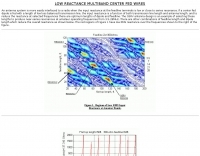 An antenna system is more easily interfaced to a radio when the input reactance at the feedline terminals is low or close to series resonance
 -
 U.S. Marine Corps in PDF format
 -
 Have you measured the SWR at the antenna?
 -
 Improving measurement accuracy when low-power analyzers are used.
 -
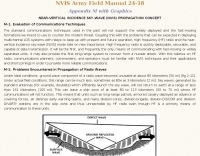 Army Field Manual 24-18 Appendix M with Graphics
 -
 While intended mainly for antenna loading coils, this article also applies to other resonant systems, such as amplifier tank circuits.
 -
 Antennas, Standard Delay Line Systems, Crossfire Phasing or Hybrids
 -
 One of the most useful antennas in the repertoire is the Marconi or quarter wave grounded vertical antenna. Its invention made it possible to halve the length of antennas, simplifying communications, especially at HF and below.
 -
 Radial systems for elevated and ground mounted vertical antennas by SteppIR
 -
 Electric Fields, magnetic fields, electromagnetic fields, losses, fresnel zone, nearfield and farfield
 -
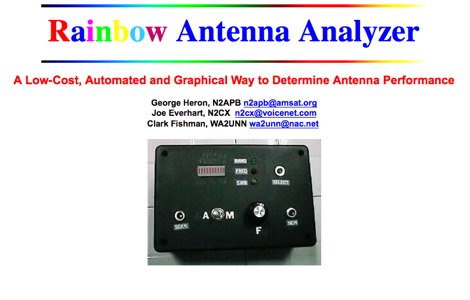 A small and inexpensive measurement device designed to determine antenna performance across the amateur bands through use of automatically collected SWR readings
 -
 Sensitivity of multi turn receiving loops William E. Payne, N4YWK
 -
 How it's misused and misunderstood, and why it's not useful.
 -
 Choosing a vertical antenna. Buying guide to amateur radio HF vertical antennas by Bencher inc
 -
 Magnetism is manifested as a 'field of vectors', that is, any point in the magnetic field has not only a magnitude, but a direction in space. The four Maxwell equations describe how electric and magnetic vector fields behave and interact.
 -
 Small antenna, what causes loss and how to increase radiation resistance in small antennas., A description of loss and radiation resistance.
 -
 Smith Chart it is a graphic tool for solving transmission lines problems
 -
 There is considerable confusion as to what exactly a multiband vertical antenna is. The confusion concerns the method of feed, how much mismatch one can expect, how many radials are required, how the particular antenna is built for multiband use, plus some other points.
 -
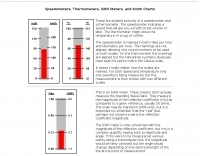 Have wondered why a Smith chart has such strange grid lines. Believe it or not, there is a logical progression from Speedometers to Smith charts that will make the Smith grid crystal clear.
 -
 Summary of discussion on stacking antennas on six meter band
 -
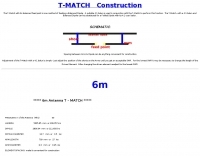 The T-Match with its balanced feed point is one method of feeding a Balanced Dipole.
 -
 Introduction to homebrewing antenna, for AM FM band reception
 -
 NRSC AM bandwidth measurements with the loop antenna
 -
 Here you will find information about wire antennas as well as directional beams.
 -
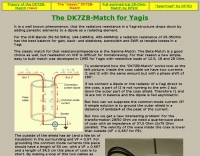 Simple, easy to built match developed in 1995 for Yagis with resistitive loads of 12.5, 18 and 28 Ohm.
 -
 Theory of the ferrite rod antenna
 -
 Technical Correspondence, QST, July 1990 - Why even "perfect" phased array element currents don't produce perfect patterns.
 -
 The mark 2 Crossfield Antenna was described in Sprat 76 by Alec, GD3HQR
 -
 Effect of radials on the efficiency of antennas.
 -
 Spipral antenna principle by a concept of Bill Petlowany, K6NO. Tak Antennas are based on this principle, using spirals as dipole linear wires.
 -
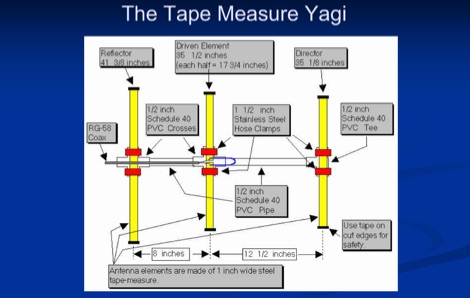 A presentation of the Yagi Antennas, and other interesting tid-bits by Brian Mileshosky. The document provides an in-depth exploration of the Yagi-Uda antenna, detailing its historical development, design principles, and performance characteristics. Originally described in the 1920s, the Yagi antenna features a driven element and parasitic elements, including reflectors and directors, which collectively determine its behavior. The document highlights how element lengths, diameters, and spacing influence gain, impedance, and directivity. It also discusses the antenna's reciprocal nature and presents data on typical gain values for various element configurations. Additionally, the text covers practical considerations, such as the construction of a "Tape Measure Yagi" for amateur use, and touches on related antenna types like dipoles and their application in Near Vertical Incident Skywave (NVIS) communication.
 -
 An interesting article on traps, pros and cons of trapping by W4RNL
 -
 Testing and comparison of traps and trap antennas
 -
 We worry a lot about Standing Wave Ratio (SWR) in amateur radio since SWR is one indication of how well our antenna system is working. Most HF transceivers and antenna tuners have built in SWR meters. SWR is a measure of a transceiver' s output power verses the portion of that power reflected by the antenna system
 -
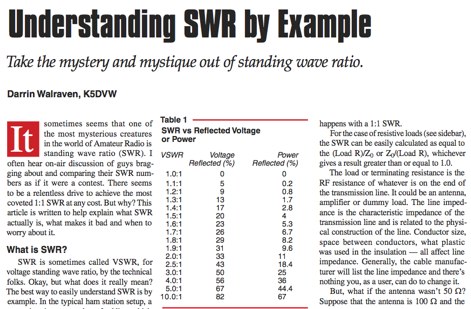 Take the mystery and mystique out of standing wave ratio. QST Article by K5DVW
 -
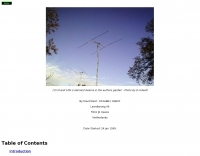 Using delta match with HF antennas design
 -
 Using vertical on six meters band and above, by Peter Schleuss, HB9RUZ
 -
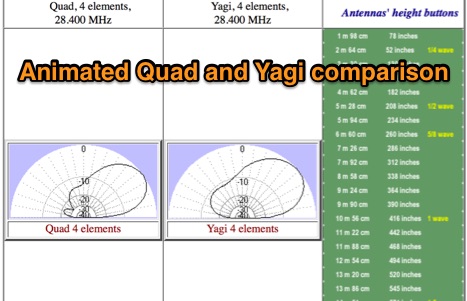 Animated quad and yagi comparison. You can see antennas' characteristics behavior in a vertical plane with changing of the height.
 -
 Benefits of stacking two HF antennas vertically
 -
 Isolation vs antenna separation an interesting article by WA6ILQ
 -
 Article by VU2GT about VHF antennas, how to evaluate performances and models.
 -
 The W1GHZ Online Microwave Antenna Book online
 -
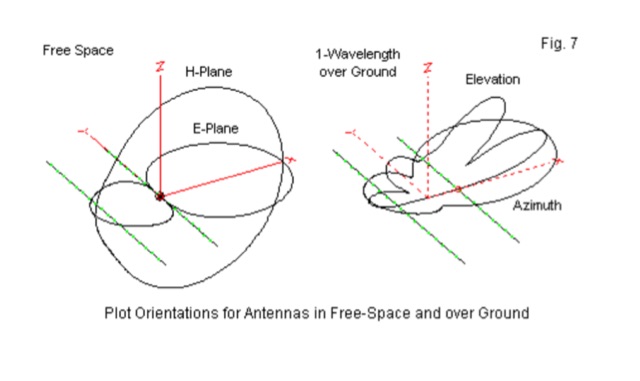 Method, Units of Measure, and the Dipole Standard of Reference. This article helps in understanding where does beam gain come from in directional aerials like in example Yagi antennas.
 -
 Some basic antenna information for the newcomer
 -
 How antenna works by ARRL
 -
 Basic anctenna theory, general information on antennas
 -
 Butternut article on radials usage on vertical and ground plane antennas
 -
 This presentation on antennas is a practical guide for amateur radio operators. The key takeaway is that the best antenna for your station depends on your constraints and goals. There is no magic solution and buying a wire antenna is not recommended as it might be expensive and not as effective. The presentation covers different antenna types including dipoles, verticals, Yagis and loop antennas. Important factors to consider when choosing an antenna include SWR, feeder types, and whether you need a balun. The author emphasizes that ATUs don’t improve a poor antenna and advises against obsessing over SWR readings.
 -
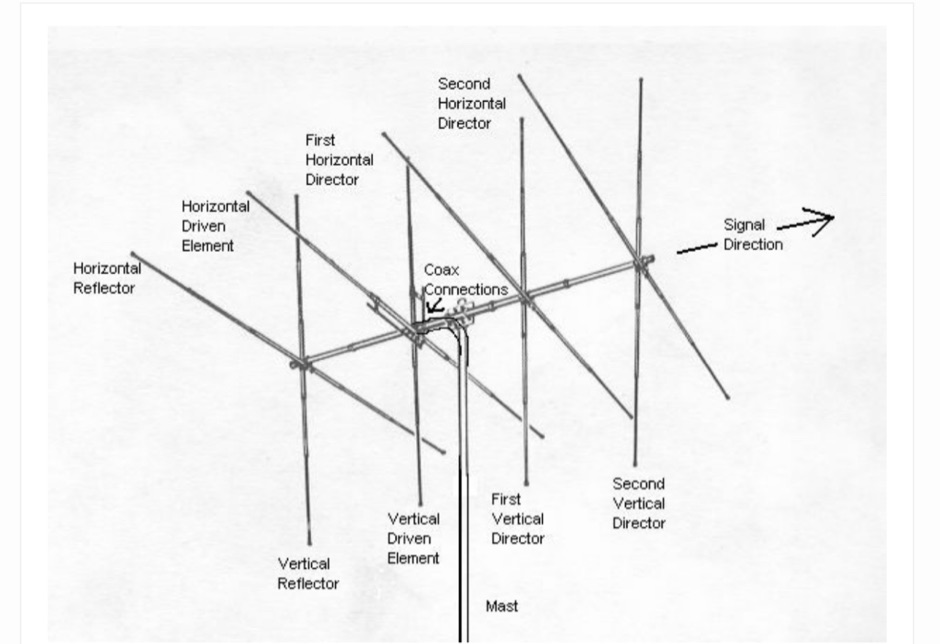 An article describing basic concepts of antenna radiation, and in particular directional antennas like Yagi antennas or Quad antennas and how they determine the direction or signals.
 -
 This article explores the conventional wisdom about antenna height in amateur radio operations, challenging the common belief that "higher is always better." Through practical examples and computer modeling, it examines how low-height antennas like Beverage antennas, VP2E, and End-Fed Half Wave (EFHW) configurations can perform effectively in various scenarios. The analysis includes radiation patterns and efficiency considerations for antennas at different heights, particularly focusing on portable operations. The article demonstrates that while height affects antenna performance, lower installations can still provide practical and efficient solutions for specific applications, especially in portable and QRP operations.
 -
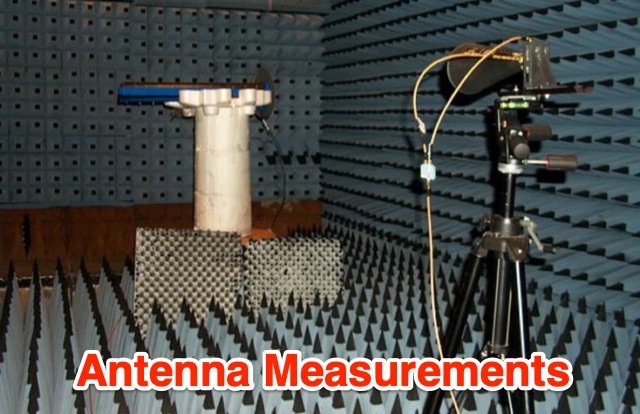 Testing of real antennas is fundamental to antenna theory. The most common and desired measurements are the antenna radiation pattern including antenna gain and efficiency, the impedance or VSWR, the bandwidth, and the polarization. The procedures and equipment used in antenna measurements are described in this page.
 -
 Amateur Radio Coaxial Antennas by G3TXQ
 -
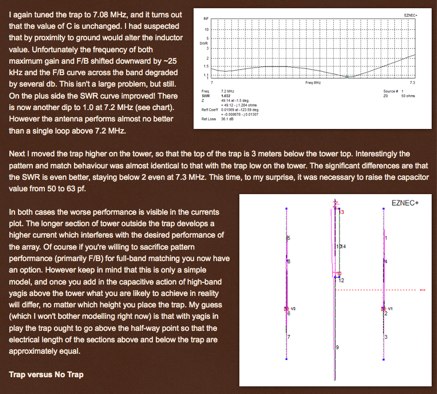 It is possible to detune the tower so that, at least on one band, the tower can be made to effectively disappear. That is, become non-resonant on the band of interest. This allows the vertically-polarized low-bands antenna to meet its potential.
 -
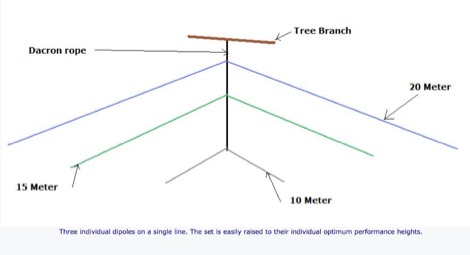 Dipoles at the correct height are not only stealthy antennas, they work great
 -
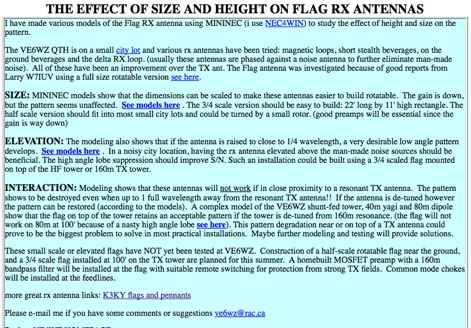 Analysis of flag receiving antennas using MININEC with focus on relation of size and atenna height by VE6WZ
 -
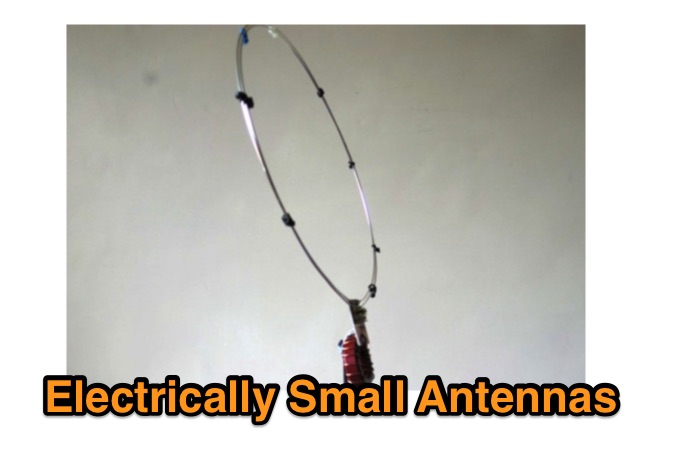 An antenna system is electrically small if it's enclosing sphere is <λ/2π. So a 10m band antenna of under 1.6m long qualifies.
 -
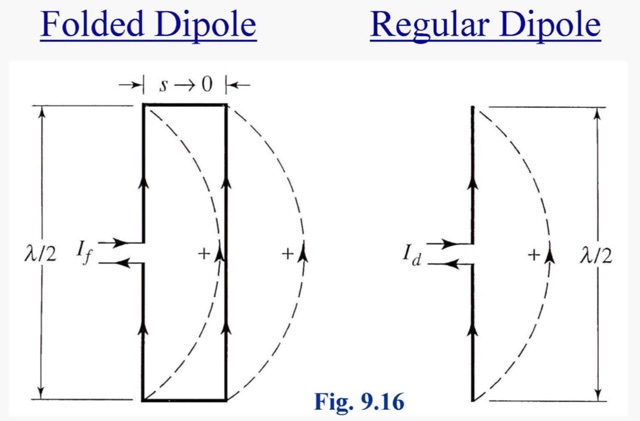 A folded dipole is an antenna, with two conductors connected on both sides, and folded to form a cylindrical closed shape, to which feed is given at the center.
 -
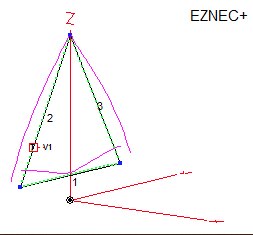 How manage and quantify ground loss in vertically-polarized antennas by VE3VN
 -
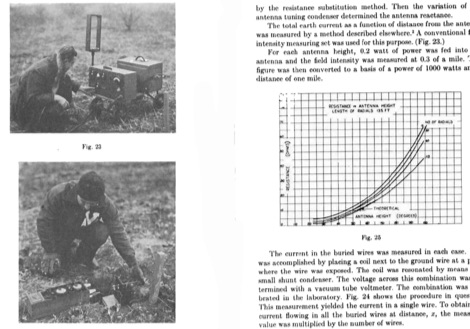 A classic document originally presented in Proceedings of the Institute of Radio Engineers in 1937 and is, still today, the standard referenced by the FCC, text books and many amateur radio publications.
 -
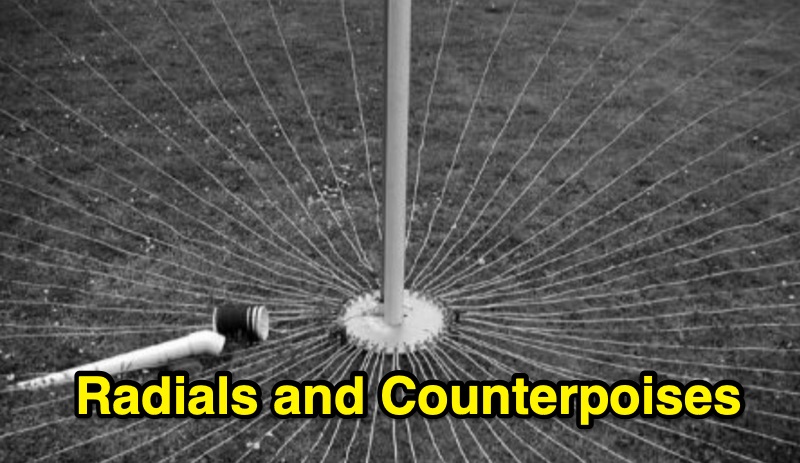 Steve Nichols, G0KYA, explains ground systems for vertical antennas, referencing Rudy Severns, N6LF's research. It covers radials, counterpoises, and
 -
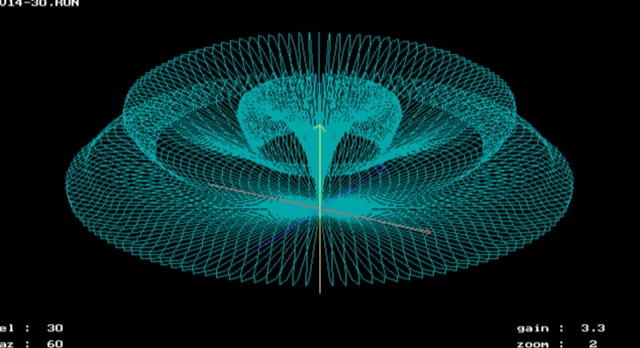 Mounting on roof at the right ground level can greately impact on antenna performances because will affect the radiated angle of energy.
 -
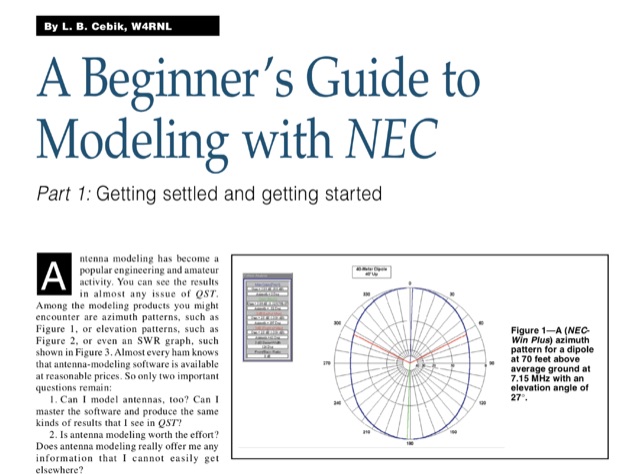 Antenna modeling is an essential technique for both amateur and professional engineers, enabling precise analysis of antenna performance. This guide, published on 4 different QST articles by L. B. Cebik, introduces NEC-2, a widely used public domain software for modeling antennas, focusing on its capabilities and practical applications. The series aims to demystify the modeling process, providing foundational knowledge and techniques for effective antenna design. Key concepts include understanding the method of moments and the importance of segmenting antenna elements. By mastering these principles, users can enhance their comprehension of antenna behavior and optimize their designs for improved performance.